


World AIDS Day: Why We Still Need to Show Up

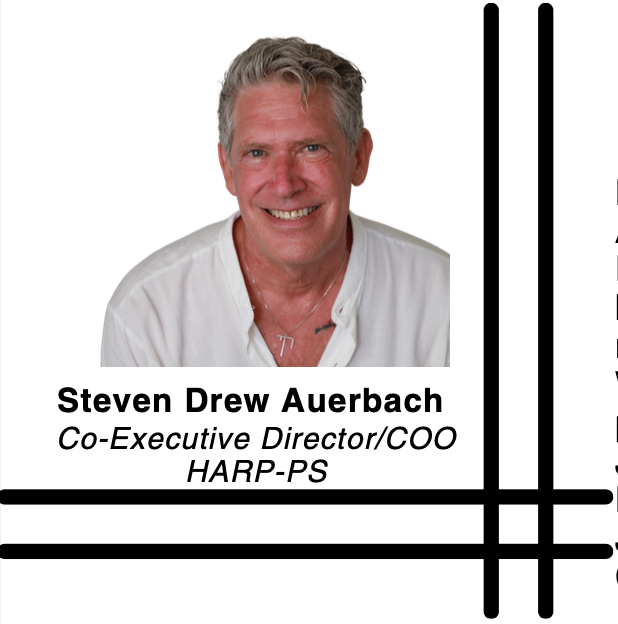
By Steven Drew Auerbach, Co-Executive Director/COO HARP-PS
Let’s cut to the chase: World AIDS Day—launched on December 1, 1988—wasn’t born from some kumbaya moment. It came from two World Health Organization public information officers, James W. Bunn and Thomas Netter, and the visionary Dr. Jonathan Mann. Their goal? Carve out a date, December 1, that’d get airtime long after U.S. elections and before holiday TV specials drown everything else out [1].
Remember, this was 1988: AIDS brought fear, stigma, ignorance, and political foot-dragging. World AIDS Day gave activists, families, and communities a stage to rally, mourn, educate, and demand action [2].
Fast forward 37 years, and we’re still lighting candles, wearing red ribbons, and rallying behind the theme “Progress, Not Excuses.” And by “still,” I mean because HIV didn’t retire. It’s still spreading, still discriminating, still devastating lives—especially among marginalized groups worldwide [3].
Why does it still matter?
It reminds us HIV didn’t vanish—progress has been real, but it’s patchy. Roughly 1.2 million people in the U.S. live with HIV, and while new infections dropped 8% between 2015 and 2019, the decline has stalled, and deep disparities remain [4].
It’s about global solidarity. The red ribbon is more than decoration—it’s a global badge of resolve [5].
It shines a spotlight on political misfires that threaten to undo decades of hard-won gains [6].
The Current Challenge
Which brings us to the current U.S. scenario: Since January 2025, the Trump administration—under Health Secretary Robert F. Kennedy Jr.—has been gutting HIV programs at home and abroad. PEPFAR, once a bulwark in the battle against AIDS, now hangs by a thread. Domestic support evaporates. Budgets are slashed. Clinics shutter. Experts warn of millions of new infections and deaths by 2030 [7].
Worse, Kennedy has a documented history of HIV/AIDS denialism—an unthinkable stance at the helm of Health and Human Services. In his 2021 book, The Real Anthony Fauci, he questioned whether HIV even causes AIDS, leaned on discredited denialist Peter Duesberg, and promoted theories suggesting recreational drugs like poppers—not HIV—were the real culprit [8]. These views are deeply dangerous. And his department is now overseeing the phase-out of NIH HIV treatment guidelines by 2026, leaving care in limbo for vulnerable communities [9].
How to Fight Back
So, what can we do to fight back against these cuts?
Raise hell with lawmakers. Call, email, and show up at town halls. Congressional pressure matters—especially when constituents demand protection for programs like PEPFAR and domestic HIV care [10].
Support HIV service organizations. Local clinics and nonprofits are already bracing for cuts. Donations, volunteering, and amplifying their work can keep lifesaving services alive [11].
Refuse denialism. When leaders peddle misinformation, call it out publicly. Share credible science, amplify expert voices, and don’t let denialism become the dominant narrative [12].
Bottom line: World AIDS Day isn’t a nostalgic throwback. It’s a wake-up call that progress can be paused, even reversed—by elected officials who dismiss science and sow misinformation.
So, let’s say it loud and clear: World AIDS Day demands Progress, Not Excuses. Because when denialism replaces data, lives hang in the balance.
👉 Join us on November 29th and 30th for our World AIDS Day program in partnership with The Mizell Center and Eisenhower Health.

Interested in Cost Effective Advertising While Supporting HARP-PS? Please Contact: steven.drew@harp-ps.org
Resources & Sources
[1] World AIDS Day - History
[2] Time: First World AIDS Day
[3] UNAIDS - Global HIV Facts
[4] CDC HIV Statistics
[5] Red Ribbon Symbolism
[6] Global and U.S. HIV Trends
[7] PEPFAR Funding and Risks
[8] RFK Jr. HIV/AIDS Denialism
[9] NIH HIV Guidelines Changes
[10] Congressional Action on HIV
[11] Supporting Local HIV Organizations
[12] Fighting Misinformation in HIV
Published by the HIV+ Aging Research Project (HARP-PS)


Comments